Do I need a roof repair or a full roof replacement?
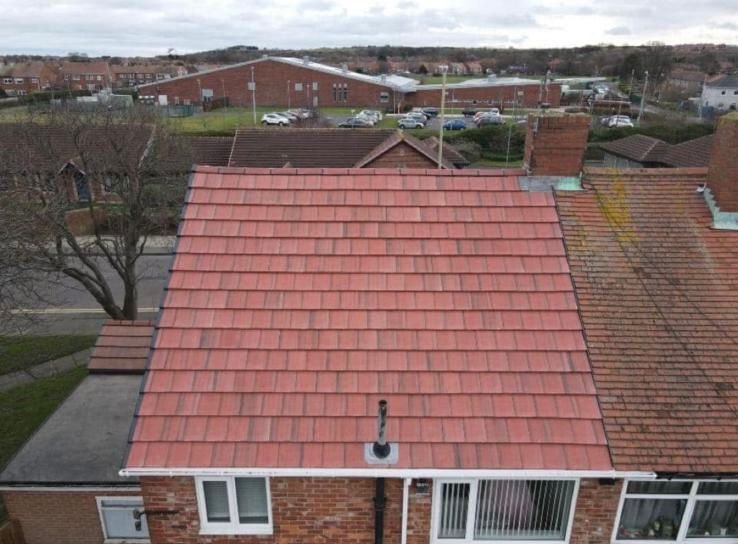
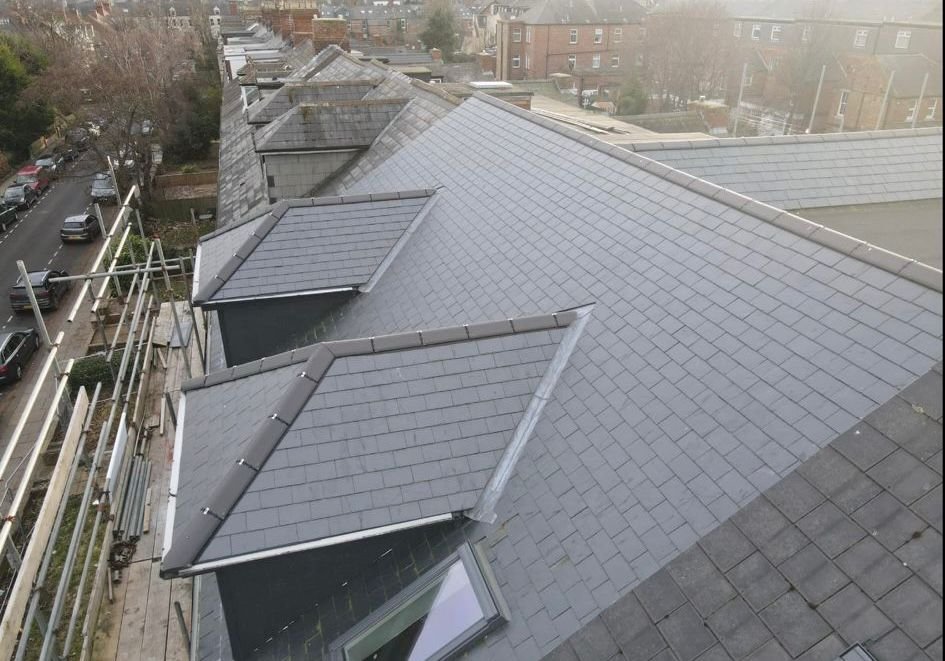
It depends on the age of the roof, how widespread the damage is and whether the underlay, battens, ridges, valleys, verges and fixings are still sound. A single slipped tile, small leadwork failure or isolated valley issue can often be repaired. If the roof has repeated leaks, brittle tiles, failing felt, rotten battens or widespread movement, a full roof replacement may be the better long-term value.
What are the most common causes of a leaking roof?
Common causes include cracked or missing tiles, slipped slates, failed lead flashing, blocked valleys, broken ridge mortar, damaged verge details, poor gutter flow, chimney defects, skylight flashing issues and torn felt. The visible damp patch is not always directly below the fault, so a proper inspection is important before quoting.
Can you repair gutters, fascias and soffits at the same time as roof work?
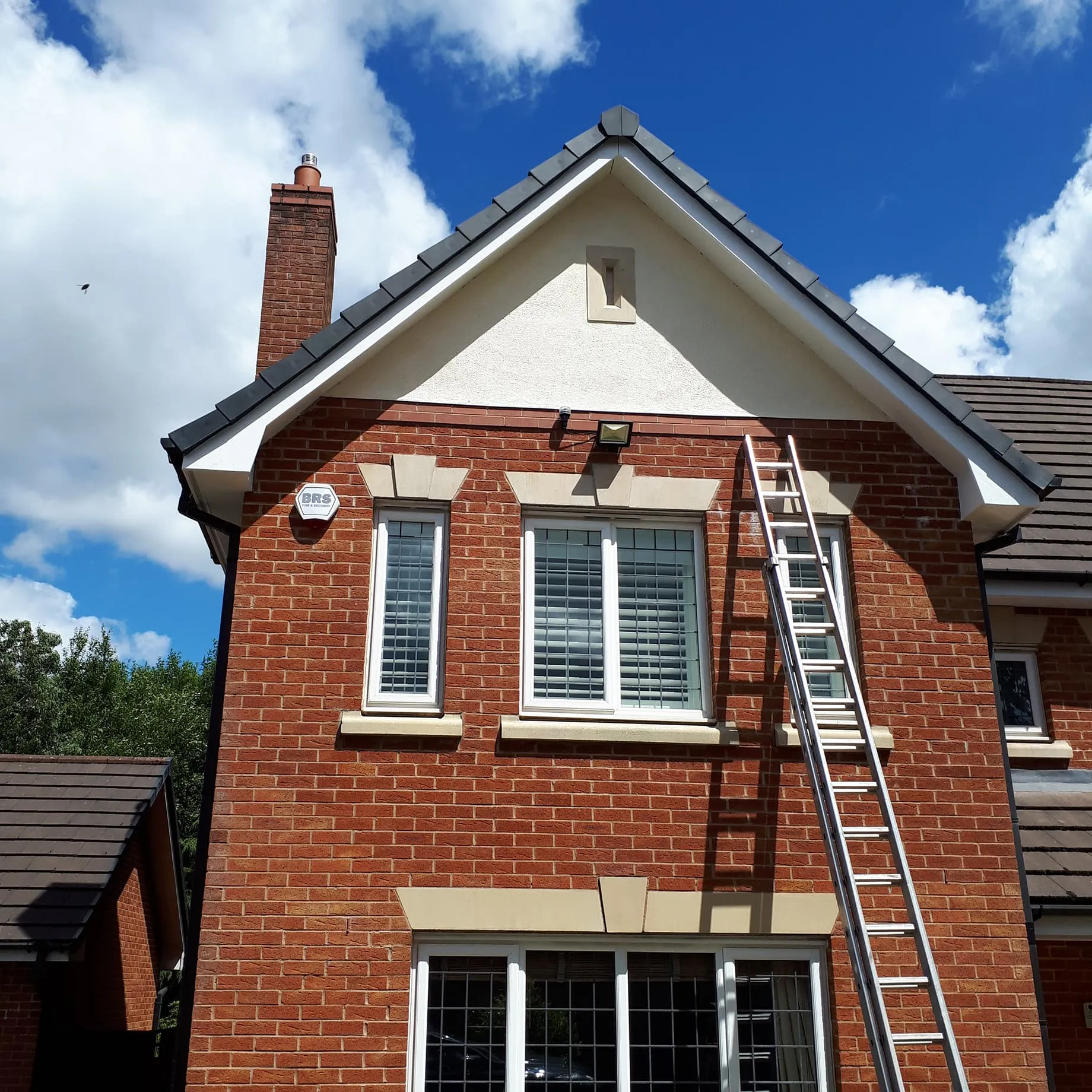
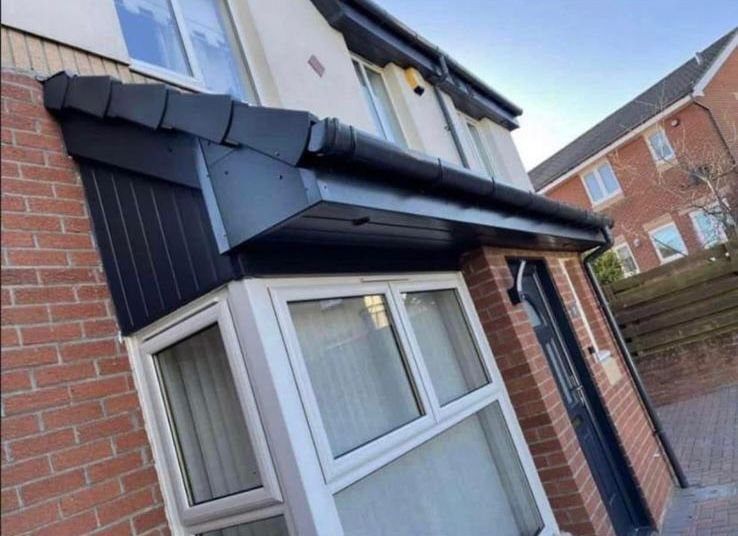
Yes. In many cases it is sensible to assess the roof edge as one system. Leaking gutters, rotten fascia boards, blocked outlets, poor soffit ventilation and loose roofline trims can all contribute to damp, staining or repeat roof edge problems. Combining the work can also reduce disruption and leave a cleaner finish.
What is included in a roof survey?
A roof survey usually checks the visible roof covering, ridges, verges, valleys, leadwork, chimney details, flat roof areas, guttering, downpipes, fascias, soffits and signs of water ingress. Where safe and practical, photographs can be used to explain the issue clearly and support a sensible repair or replacement quote.
How quickly should I act if I notice a roof leak?
Act as soon as possible. Even a small leak can soak insulation, damage ceilings, stain walls, affect timbers and worsen during heavy rain or wind. If water is actively entering the property, emergency weatherproofing may be needed first, followed by a permanent roof repair once conditions allow.
Are flat roof leaks repaired differently from pitched roof leaks?
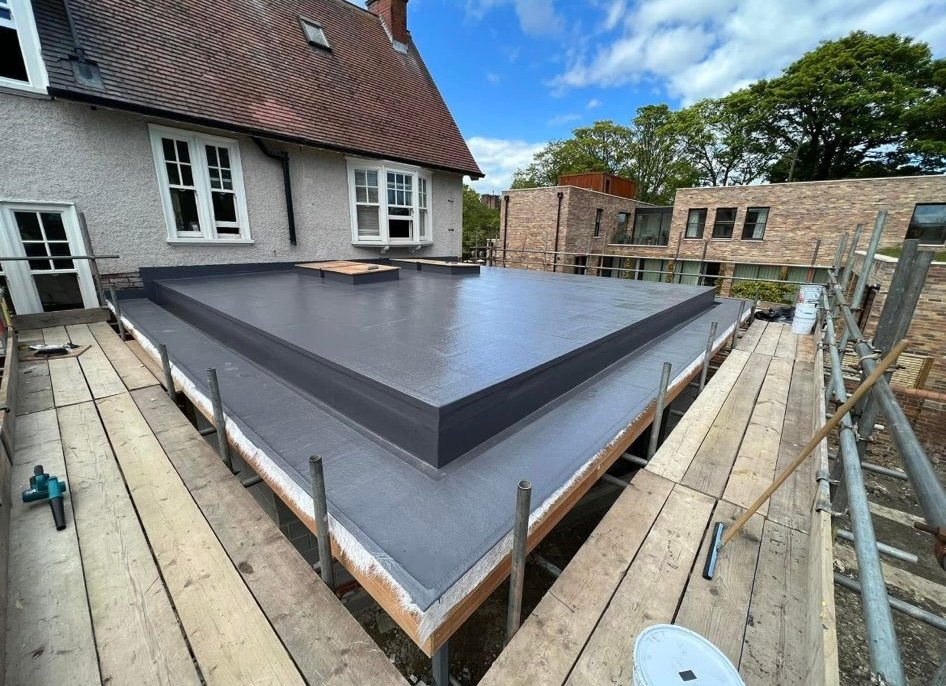
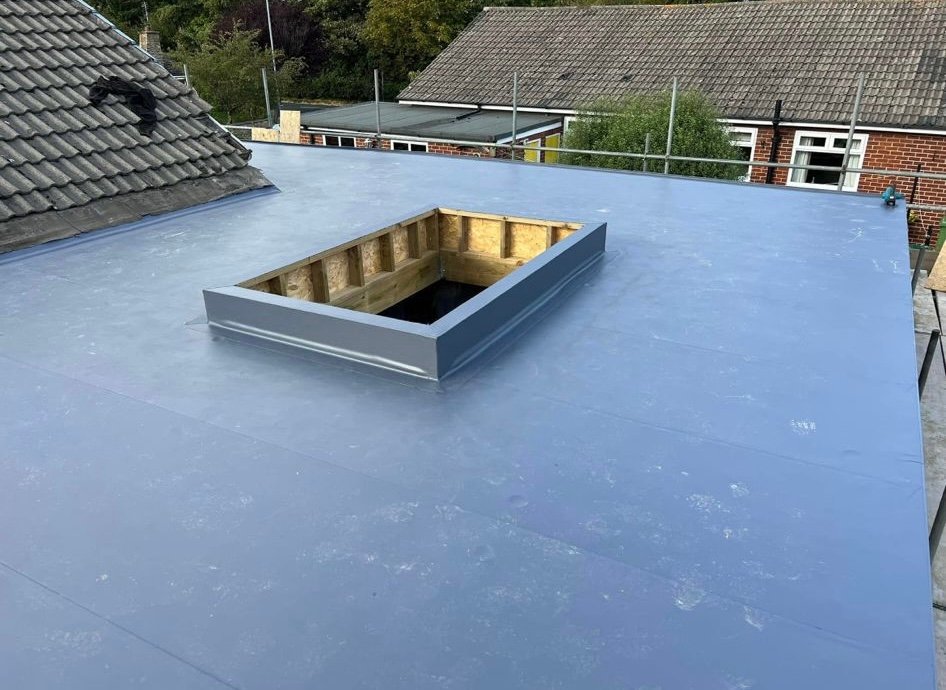
Yes. Flat roofs rely on different waterproofing layers, deck condition, trims, outlets and drainage falls. A flat roof leak might come from a split covering, failed edge trim, blocked outlet, poor fall, damaged board or weak junction with a wall or rooflight. The repair method depends on the flat roof system and its condition.
What is dry ridge and dry verge, and is it worth it?
Dry ridge and dry verge systems mechanically fix roof edges without relying on traditional exposed mortar. They can reduce future mortar cracking, improve resistance to weather movement and create a neat, lower-maintenance finish. They are especially useful when existing ridge or verge mortar is repeatedly failing.
Can chimney problems cause roof leaks?
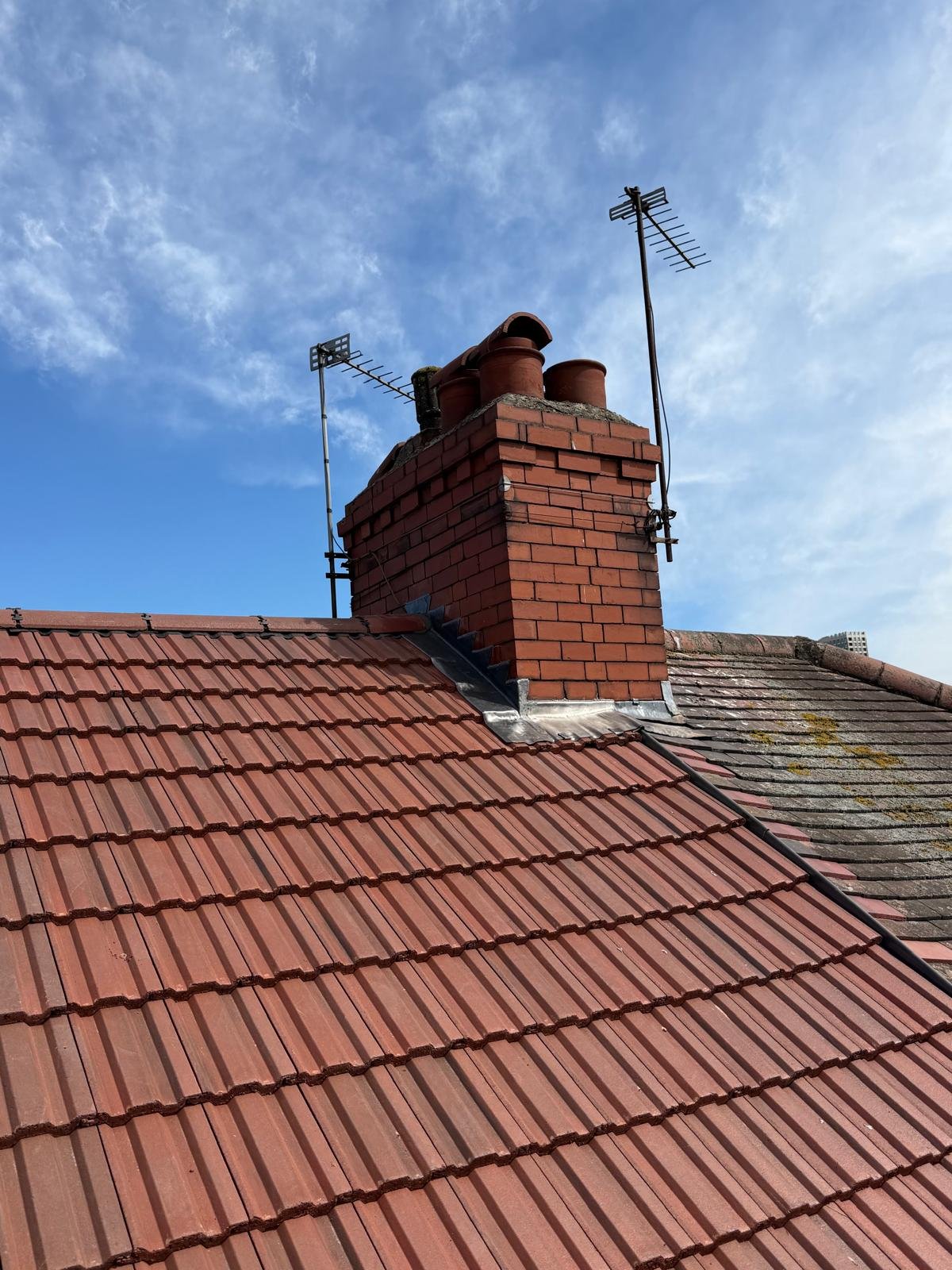
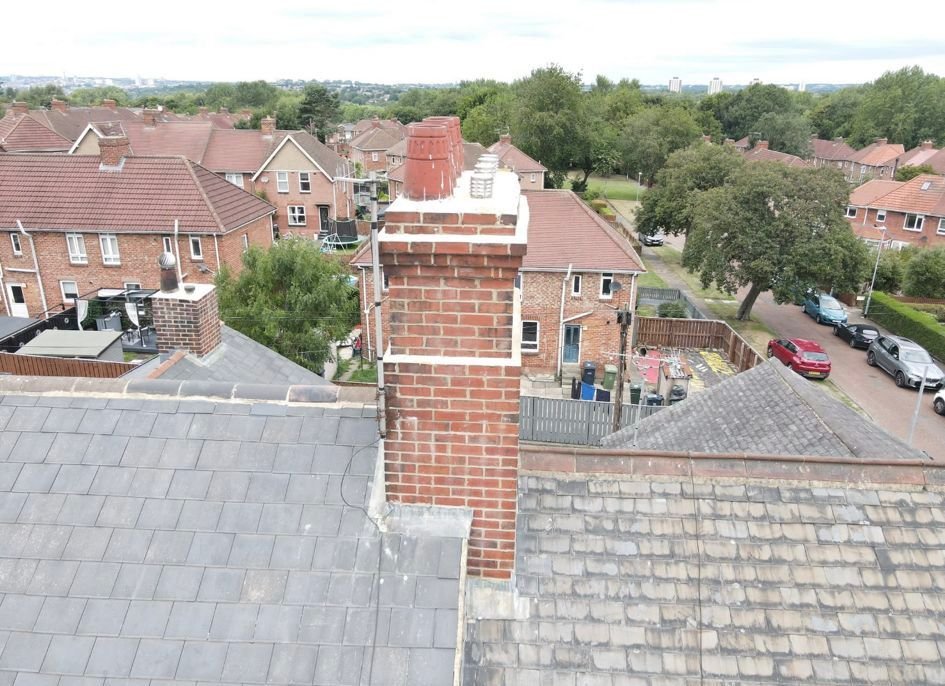
Yes. Chimneys are common leak points because they involve brickwork, mortar, flaunching, pots, cowls, lead aprons, step flashing and back gutters. Cracked flaunching, failed pointing or tired leadwork can allow water to track into the roof space or down a chimney breast.
Do you help with storm damage and insurance reports?
Blue Hawk Roofing can inspect storm damage, identify visible roof defects and provide clear photographs or notes where needed for repair planning or insurance conversations. The priority is making the property safe and weatherproof, then setting out the correct permanent repair.
Which areas do you cover?
Blue Hawk Roofing covers Southampton, Eastleigh, Hedge End, Fareham, Gosport, Bognor Regis, Winchester, Portsmouth, Waterlooville and Chichester, including roofing repairs, guttering, flat roofs, fascias, soffits, chimney work and roof replacements across those areas.